Blog
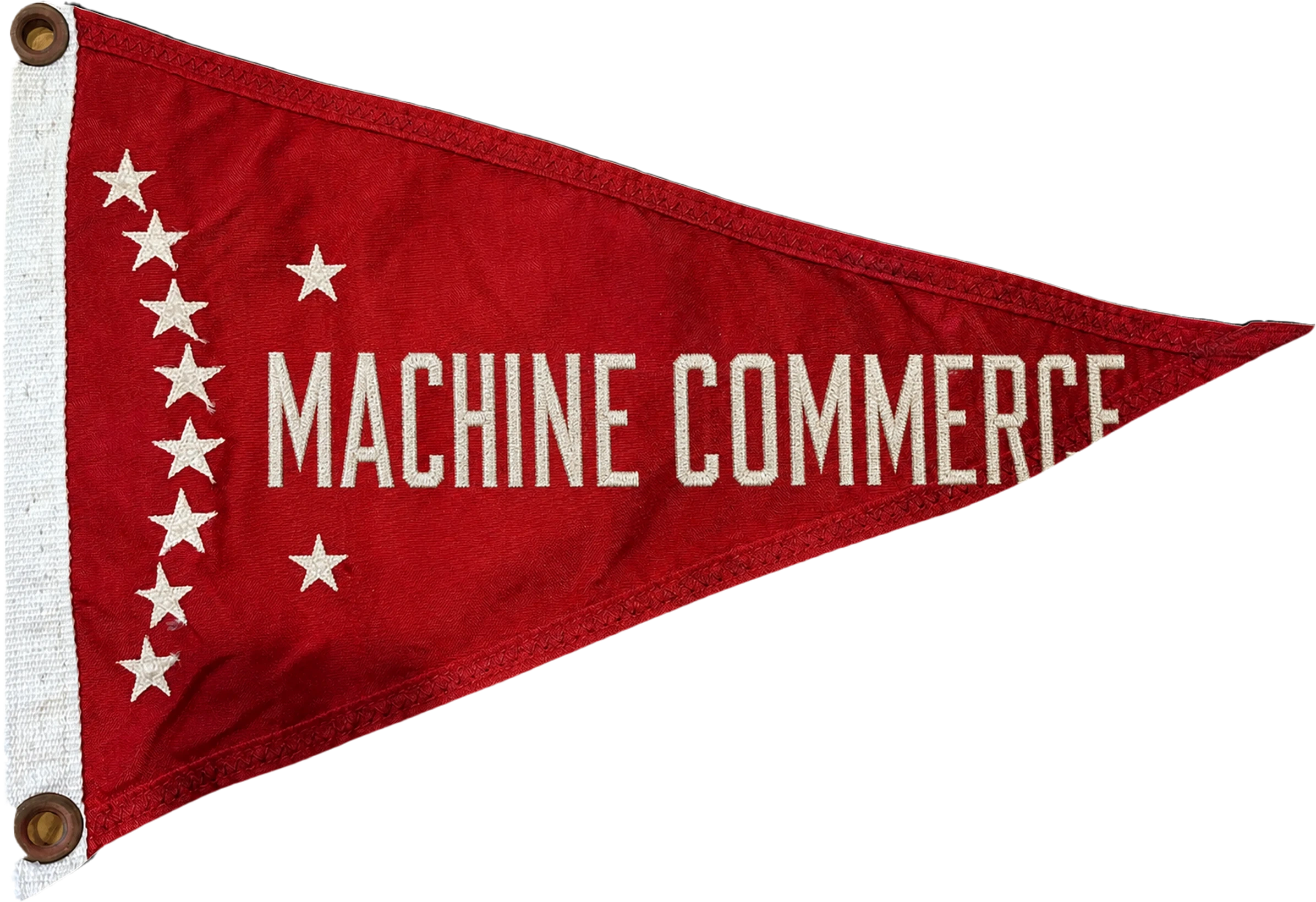
The machine customer has no patience
Read MoreA failure taxonomy for machine-mediated shopping
Seven classes of failure a shopping agent can meet in a store. The taxonomy is versioned and open.
 Writing
Agent readiness is not a vibe
A store does not feel agent-ready. It scores agent-ready. How a scorecard turns readiness into repeatable checks and inspectable evidence.
 Case study
A Thai-first storefront agent
Product advice spans many categories and languages. A search result alone cannot respond to a shopper's constraints or carry a support conversation.
 Case study
Retail Intelligence: from shelf photo to decision
Product sales did not provide a clear view of the actual shelf layout. Manual shelf capture and reporting separated the plan from the floor.
 Writing
A conversation that knows the catalog
A Thai-first storefront agent turns product questions into inline product cards, with catalog access and a human fallback.
WritingWhen the shelf becomes data
A retail intelligence deployment connects the shelf as built to the sales it earns. What changes when a photograph becomes a structured realogram.
WritingHow long will an agent wait?
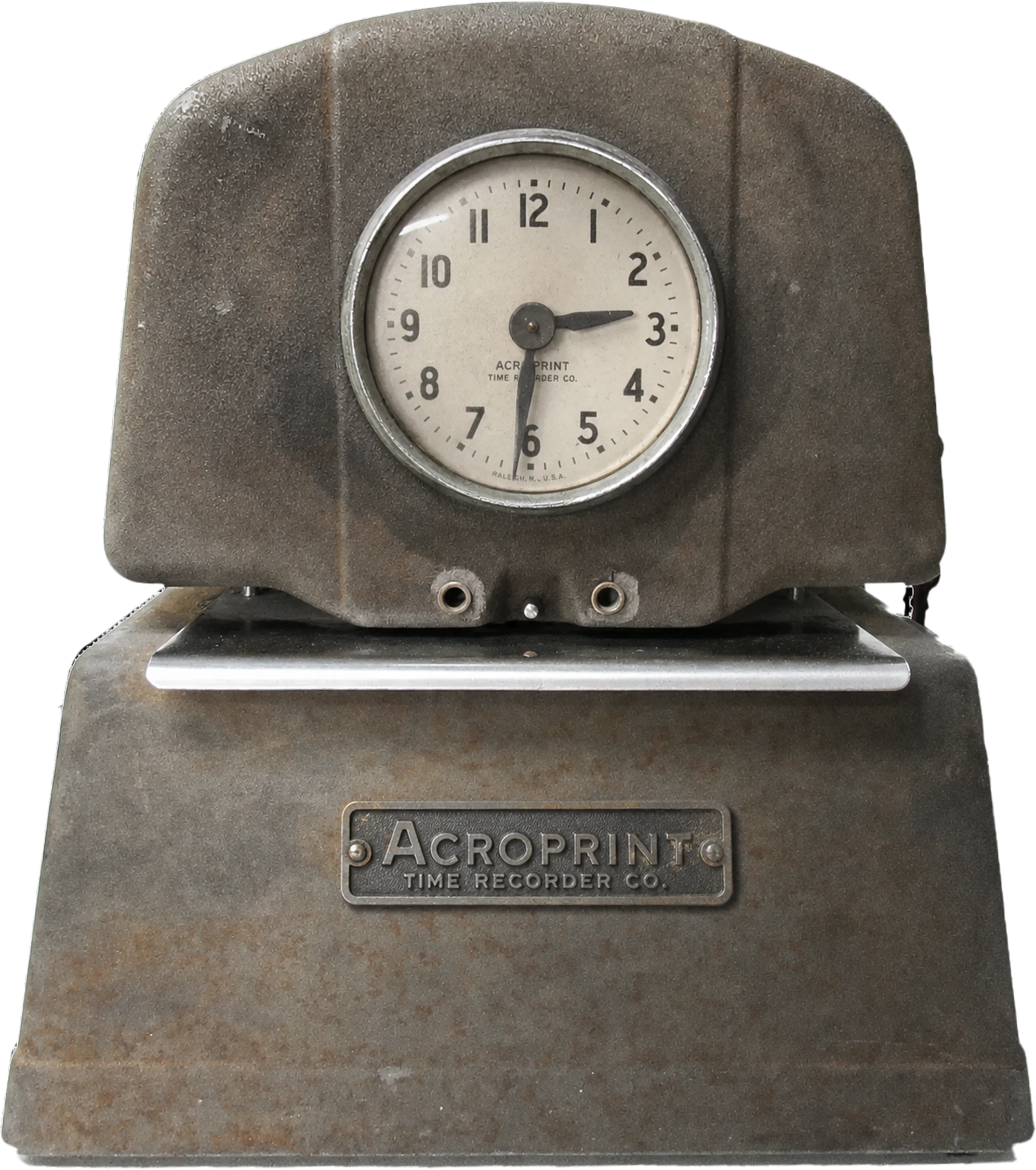
An illustrative look at how agent task completion changes with page response time and with the number of steps to checkout.
 Writing
The machine customer has no patience
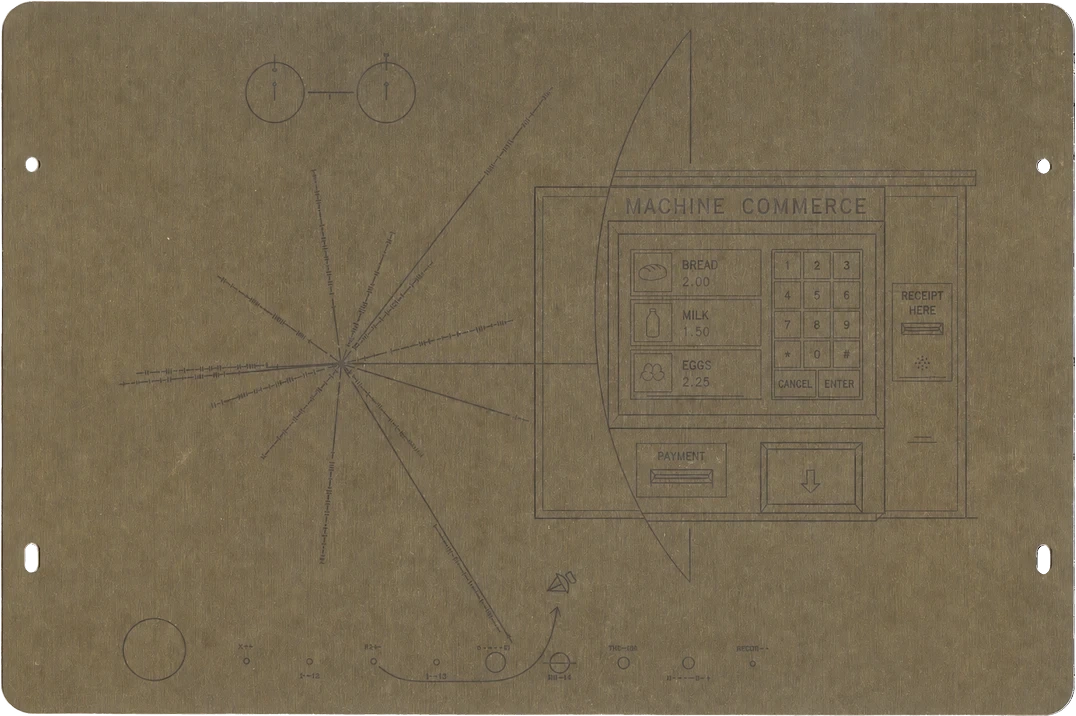
AI shopping agents do not browse, linger or forgive. What a store looks like to a machine customer, and why speed and clarity decide who gets chosen.
WritingWhat shopping agents actually need
A practical list of what AI shopping agents need from a merchant: structured product data, stable prices, readable policies and a checkout they can finish.
 Writing
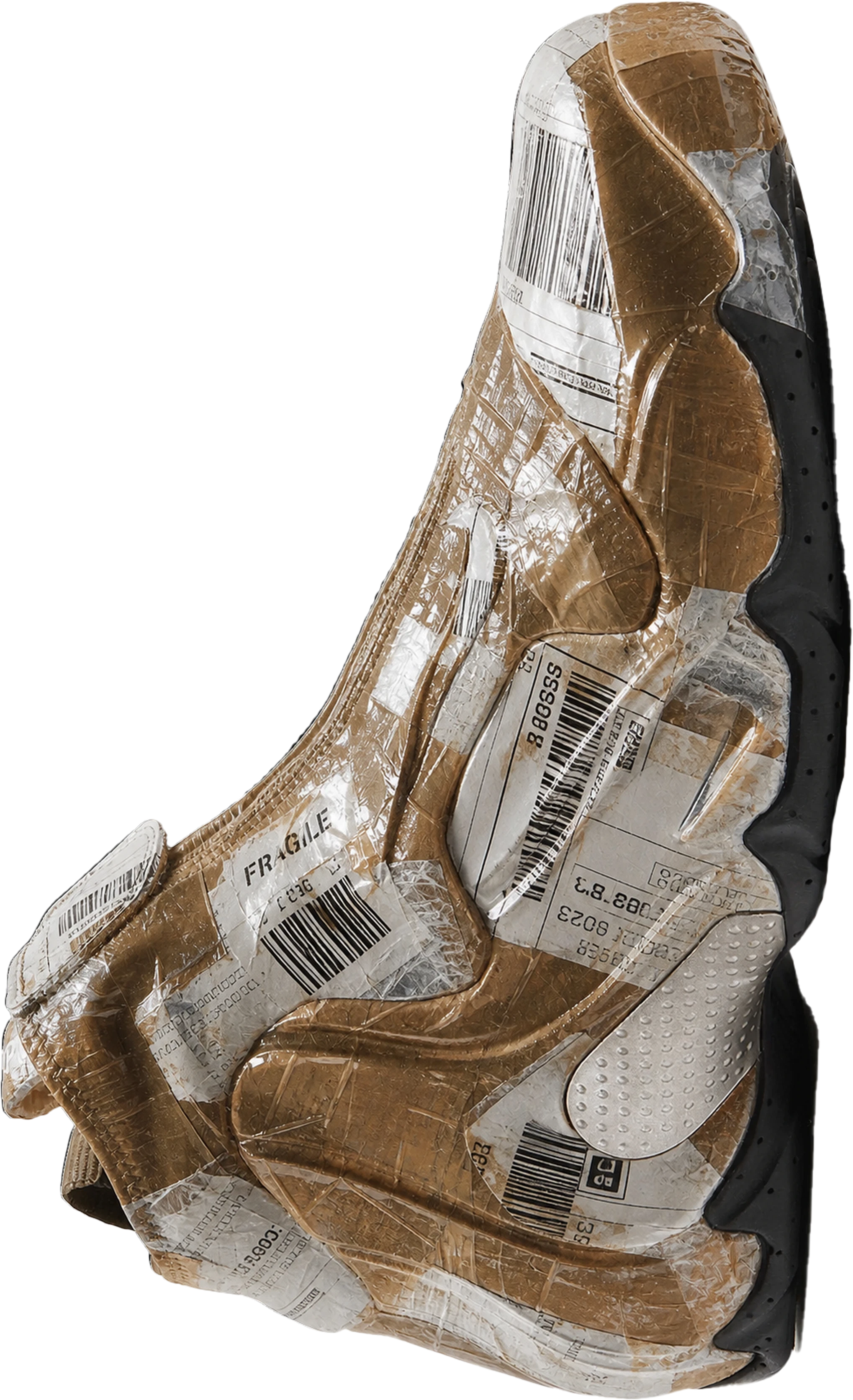
Your Next Customer Is an AI Agent and It's Already Comparing You to Everyone Else
For some retailers, traffic coming from ChatGPT converts into brand new customers at roughly 2x the rate of traffic from Google search.
 Writing
From product pages to product protocols
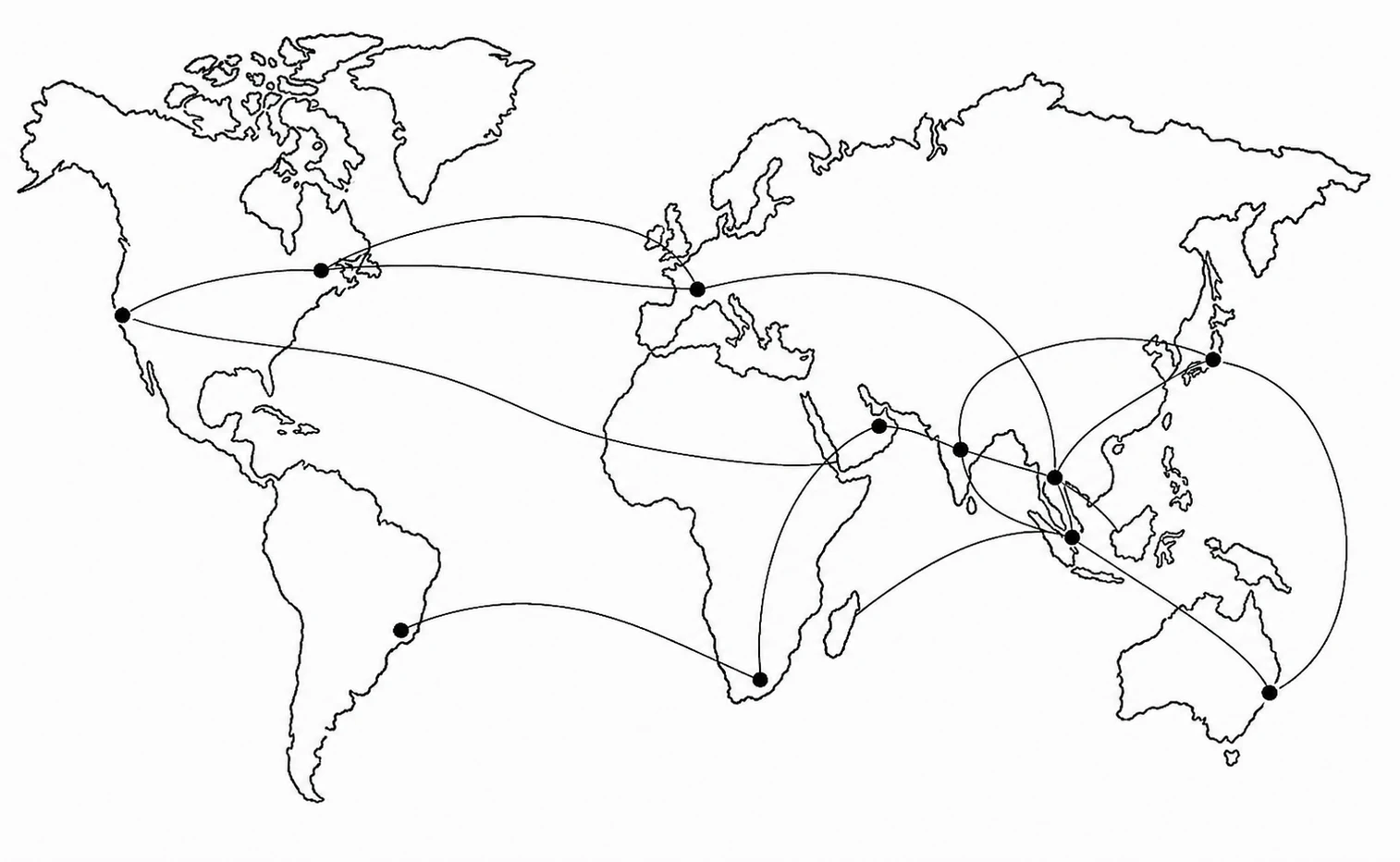
Product pages were built for people. Agentic commerce needs product protocols: shared, predictable ways to describe, price and buy a product.
 Writing
Measurement before optimization
Why agent readiness should be measured before it is optimized: a plain method for testing whether a machine can find, compare and buy from your store.
 Writing
What is agentic commerce?
Agentic commerce is shopping where an AI agent acts for the buyer: it finds, compares and purchases. A plain explanation for merchants.
 Writing
Machine customers are not bots
A machine customer buys for a person. A bot scrapes or attacks. Why stores need to tell them apart, and what that means for fraud and access.
 Writing
Reading a return policy like a machine
Return and shipping policies decide whether an AI agent will buy. How to write policies that a machine and a person can both read in seconds.
 Writing
The planogram is a promise.
Every shelf in a modern store is drawn before it's built - which product, which row, how many facings.
 Writing
The audit that used to eat a day.
How the teams running Retail Intelligence actually use it - a ranked worklist instead of a shelf walk, a report instead of a spreadsheet, and a planogram check that no longer needs a clipboard.
 Writing
What is each shelf actually making?
Every retailer knows what its stores sell.
WritingThe Boring AI Solution
Every retailer knows what its stores sell.
 Writing
Humans are the bottleneck in the future of software.
That sounds negative, but it is the most important thing to understand about where software is going.